
Partizan Crap Characterizes the 2026 I.C. Threat Assessment

national threat assessment, intelligence community, CIA, NSA, DIA, espionage, counterespionage, intelligence, counterintelligence, C. Constantin Poindexter

Unvarnished No More: The 2026 Annual Threat Assessment and the Politicization of American Intelligence, a Critical Analysis of Departures from Intelligence Community Analytical Traditions

On March 18, 2026, Director of National Intelligence Tulsi Gabbard presented the 2026 Annual Threat Assessment (ATA) to the Senate Select Committee on Intelligence, fulfilling the Intelligence Community’s statutory obligation under Section 617 of the FY21 Intelligence Authorization Act. The document’s own introduction pledges to deliver “nuanced, independent, and unvarnished intelligence” to policymakers (Office of the Director of National Intelligence [ODNI], 2026, p. 2). Yet a careful comparison of the 2026 ATA with its predecessors reveals systematic omissions, rhetorical softening, and political editorializing that collectively undermine the document’s claim to analytical independence. I argue that the 2026 ATA departs from Intelligence Community analytical traditions in ways that align with the administration’s political preferences, particularly regarding Russia, domestic extremism, and climate, and that these departures represent a failure of the DNI’s duty to provide unvarnished intelligence to Congress and the American people.

The significance of this argument cannot be overstated. The ATA exists precisely because democratic governance requires that elected officials receive honest assessments of threats, unfiltered by political convenience. Intelligence Community Directive 203, issued in 2007, codified the community’s formal tradecraft standards, mandating objectivity, transparency regarding sources and assumptions, and independence from political considerations (Just Security, 2025). The Intelligence Reform and Terrorism Prevention Act of 2004 (IRTPA) further requires that the DNI ensure intelligence products are “timely, objective, independent of political considerations, based upon all sources of available intelligence, and employ the standards of proper analytic tradecraft” (Pub. L. No. 108-458, § 1019). When an ATA is shaped to avoid contradicting the sitting president’s preferred narratives, it ceases to function as intelligence and instead becomes an instrument of political communication.

The Softening of Russia as a Strategic Threat

The 2024 ATA, produced under DNI Avril Haines, described Russia’s aggression in Ukraine as underscoring that Moscow “remains a threat to the rules-based international order” (ODNI, 2024, p. 5). The 2026 ATA, by contrast, introduces conciliatory language throughout its Russia analysis that reads less like threat assessment and more like diplomatic aspiration. It states that “Russia’s aspirations for multipolarity could allow for selective collaboration with the U.S. if Moscow’s threat perceptions regarding Washington were to diminish” and suggests that “a durable settlement to the war in Ukraine could open the door for a thaw in U.S.–Russia relations and an improved bilateral geostrategic and commercial relationship” (ODNI, 2026, pp. 27–28). This framing mirrors the administration’s diplomatic posture toward Moscow rather than the IC’s traditional threat-focused analytical lens.

The document further characterizes the concept of adversary alignment among China, Russia, Iran, and North Korea as overstated, calling it “limited and primarily bilateral” and asserting that the notion “overstates the depth of cooperation that is currently occurring” (ODNI, 2026, p. 20). This downgrading arrives despite the IC’s own acknowledgment in the same document that North Korea deployed over 11,000 troops to support Russian combat operations in Ukraine (ODNI, 2026, p. 24). The analytical minimization of adversary cooperation is consistent with President Trump’s longstanding reluctance to characterize Russia as an adversary, a posture that dates to his public siding with Vladimir Putin over U.S. intelligence findings at the 2018 Helsinki summit (Foreign Policy Research Institute [FPRI], 2019) as well as the point of view expressed by Gabbard publicly even predating her position within the I.C.

The Disappearance of Foreign Election Interference

Perhaps the most conspicuous omission in the 2026 ATA is the near-total absence of any discussion of foreign interference in U.S. elections. As Defense One reported, this marks the first time in nearly a decade that foreign threats to U.S. elections have been omitted from the annual threat assessment (Defense One, 2026). The 2024 ATA explicitly warned that China, Russia, and Iran would attempt to interfere in U.S. elections using generative AI and other means (ODNI, 2024). The 2025 DHS Homeland Threat Assessment similarly identified the 2024 election cycle as “an attractive target for many adversaries” and warned that nation-state-aligned actors would “continue to target democratic processes” (DHS, 2024, p. 4). The ODNI itself published a separate report titled “Foreign Threats to US Elections After Voting Ends in 2024” (ODNI, 2024b). That this entire threat category has vanished from the 2026 ATA is analytically inexplicable absent political motivation.

When Senator Mark Warner, the panel’s top Democrat, pressed Gabbard on this omission at the March 18 hearing, asking whether there was “no foreign threat to our elections in the midterms this year,” Gabbard’s response was evasive, stating only that the IC “has been and continues to remain focused on any collection and intelligence that show a potential foreign threat” (Defense One, 2026). This non-answer is consistent with DNI Gabbard’s broader pattern of minimizing Russian interference in American democracy. In July 2025, Gabbard declassified documents she claimed exposed a “treasonous conspiracy” by Obama-era officials regarding the 2016 Russian interference findings—allegations that multiple investigations, including the Republican-led Senate Intelligence Committee’s own probe, had already examined and found unsubstantiated (CNN, 2025; Lawfare, 2025). As the Council on Foreign Relations assessed, Gabbard’s actions have “deprived her of any pretension to analytical judgment independent of the president” (Betts, 2025).

The Erasure of Domestic Violent Extremism

The 2026 ATA’s terrorism section is focused almost exclusively on Islamist terrorism. Domestic violent extremism (DVE)—a category that encompasses racially or ethnically motivated extremism, anti-government militias, and other ideologically motivated domestic threats—receives no dedicated treatment. This stands in stark contrast to years of IC and DHS assessments that identified DVE as among the most persistent threats to the homeland. The DHS’s 2024 Homeland Threat Assessment warned that domestic violent extremists “driven by various anti-government, racial, or gender-related motivations” had conducted multiple attacks and that law enforcement had disrupted additional plots (DHS, 2024). The FBI reported over 1,700 domestic terrorism investigations underway as of late 2024 (House Homeland Security Committee, 2025). The Government Accountability Office released a comprehensive report in 2025 documenting the federal government’s ongoing domestic terrorism strategies and the persistent nature of the threat (GAO, 2025).

The omission of DVE from the 2026 ATA aligns with the Trump administration’s broader effort to reframe the terrorism discourse around Islamist ideology while downplaying threats from domestic actors whose motivations often overlap with right-wing political movements. The 2026 ATA’s extended discussion of the Muslim Brotherhood and its characterization of Islamist ideology as a “fundamental threat to freedom and foundational principles that underpin Western Civilization” (ODNI, 2026, p. 8) represents an analytical emphasis not seen in prior ATAs, which treated the terrorism landscape as ideologically diverse. This selective emphasis serves the administration’s political narrative while leaving Congress and the public without the IC’s assessment of a threat category that the FBI’s own data indicates remains active and lethal. It also unironically gives cover to a not insignificant group of Trump supporters, certainly purposeful by design.

The Removal of Climate Change as a Security Threat

The 2024 ATA treated climate change as a significant threat multiplier, stating that “the accelerating effects of climate change are placing more of the world’s population, particularly in low- and middle-income countries, at greater risk from extreme weather, food and water insecurity, and humanitarian disasters, fueling migration flows and increasing the risks of future pandemics” (ODNI, 2024, p. 5). Climate change appeared throughout that document as a driver of instability across multiple regions, including in assessments of Iran’s water scarcity challenges. The 2026 ATA eliminates climate change entirely as a named threat category. The term does not appear once. A single passing reference to “extreme weather events” in the migration section (ODNI, 2026, p. 7) is the only remnant of what had been a substantial analytical thread across multiple prior assessments.

This excision is not analytically defensible. The physical phenomena that made climate change a security concern in 2024 have not abated in 2026; if anything, the scientific consensus has strengthened. The removal reflects the Trump administration’s hostility toward climate science as a policy matter—a political preference that has no legitimate bearing on an intelligence community’s assessment of how environmental change affects geopolitical stability, food security, migration patterns, and conflict risk. The DNI’s role is to present the IC’s best assessment of reality, not to curate that reality to avoid topics the White House considers ideologically inconvenient.

Political Editorializing in an Intelligence Product

The 2026 ATA’s Foreword contains language that would have been unthinkable in prior assessments. It credits “President Trump sealing the U.S.–Mexico border” for enforcement successes and notes that “fentanyl seizures by weight have decreased 56 percent at the U.S.–Mexico border since President Trump took office” (ODNI, 2026, pp. 4–5). Annual threat assessments have traditionally employed dry, institutional prose that avoids attributing policy outcomes to individual political leaders by name. The function of an ATA is to assess threats, not to validate a president’s policy record. This departure transforms portions of what should be an analytical document into something resembling a political communication.

The editorializing extends beyond border policy. The Foreword adopts the administration’s rhetorical framework wholesale, stating that “we should be cautious about thinking that every problem in the world directly threatens us” (ODNI, 2026, p. 4)—a statement that, while perhaps reasonable in isolation, mirrors the administration’s America First foreign policy framing rather than reflecting IC analytical tradition. As scholars at the Foreign Policy Research Institute have warned, when political appointees shape intelligence products to serve the president’s messaging priorities, the core mission of the intelligence community—to provide independent analysis that may contradict leadership preferences—is fundamentally compromised (FPRI, 2019). The AEI documented how Gabbard fired the acting chair of the National Intelligence Council and his deputy after they produced assessments that contradicted administration positions, then physically relocated the NIC to her office to prevent what she characterized as “politicization” (American Enterprise Institute, 2025).

My Thoughts

From my view, the cumulative effect of these five departures, i.e., the softening of Russia’s threat profile, the erasure of foreign election interference, the omission of domestic violent extremism, the elimination of climate change as a security concern, and the introduction of political editorializing, is an Annual Threat Assessment that fails its statutory and institutional purpose. Each omission or distortion aligns with known political preferences of the Trump administration, and each contradicts the IC’s own recent analytical record. The IRTPA requires the DNI to ensure that intelligence is “independent of political considerations.” Intelligence Community Directive 203 mandates “objectivity, transparency regarding sources and assumptions, and independence from political considerations” (Just Security, 2025). The 2026 ATA, by its own internal evidence, fails both standards.

The consequences of this failure extend beyond the document itself. When intelligence products become vehicles for political messaging, policymakers lose the independent analytical baseline they need to make informed decisions. Congressional oversight is undermined when the IC’s primary public-facing threat assessment omits entire threat categories for political reasons. And public trust in the intelligence community, already strained by decades of controversy, erodes further when citizens can compare successive ATAs and observe that threats appear and disappear not because the world has changed but because the White House has changed. As Richard Betts of the Council on Foreign Relations observed, intelligence’s prime value often lies in telling leaders facts or implications they do not want to hear (Betts, 2025). A DNI who cannot or will not fulfill that function has, in the most consequential sense, abdicated the office’s reason for existing. The inconvenient truth is that the DNI’s acts and omissions are willful, a fact on perfect display during the Congressional hearing today (March 18th), during which Gabbard said, “Senator, the only person who can determine what is and is not an imminent threat is the president.” The Intelligence Community’s primary task is to provide warning intelligence, which is the very definition of the reporting of an “imminent threat”.

C. Constantin Poindexter, MA in Intelligence, Graduate Certificate in Counterintelligence, JD, CISA/NCISS OSINT certification, DoD/DoS BFFOC Certification

References

  • American Enterprise Institute. (2025, May 21). The politicization of intelligence. AEI. https://www.aei.org/articles/the-politicization-of-intelligence/
  • Betts, R. K. (2025, August 21). The intelligence community’s politicization: Dueling to discredit. Council on Foreign Relations. https://www.cfr.org/articles/intelligence-communitys-politicization-dueling-discredit
  • Defense One. (2026, March 18). Annual threat assessment omits election security. https://www.defenseone.com/policy/2026/03/annual-threat-assessment-election-security/412217/
  • Department of Homeland Security. (2024). 2025 Homeland Threat Assessment. https://www.dhs.gov/sites/default/files/2024-10/24_1002_ia_homeland-threat-assessment-2025.pdf
  • Foreign Policy Research Institute. (2019, August 12). A nadir is reached in the politicization of U.S. intelligence. https://www.fpri.org/article/2019/08/a-nadir-is-reached-in-the-politicization-of-u-s-intelligence/
  • Government Accountability Office. (2025). Domestic terrorism: Additional actions needed to implement the national strategy (GAO-25-107030). https://www.gao.gov/assets/gao-25-107030.pdf
  • House Homeland Security Committee. (2025, December 19). Threat snapshot: House Homeland unveils updated “Terror Threat Snapshot” assessment. https://homeland.house.gov/2025/12/19/threat-snapshot/
  • Intelligence Reform and Terrorism Prevention Act of 2004, Pub. L. No. 108-458, 118 Stat. 3638.
  • Just Security. (2025, June 20). When intelligence stops bounding uncertainty: The dangerous tilt toward politicization under Trump. https://www.justsecurity.org/114297/trump-administration-politicized-intelligence/
  • Lawfare. (2025, August 6). From Russian interference to revisionist innuendo: What the Gabbard files actually say. https://www.lawfaremedia.org/article/from-russian-interference-to-revisionist-innuendo–what-the-gabbard-files-actually-say
  • NBC News. (2024, December 11). Would Tulsi Gabbard bring a pro-Russian bias to intelligence reporting? https://www.nbcnews.com/politics/national-security/will-tulsi-gabbard-bring-russian-bias-intelligence-reporting-rcna180248
  • Office of the Director of National Intelligence. (2024). 2024 Annual Threat Assessment of the U.S. Intelligence Community. https://www.dni.gov/files/ODNI/documents/assessments/ATA-2024-Unclassified-Report.pdf
  • Office of the Director of National Intelligence. (2026). 2026 Annual Threat Assessment of the U.S. Intelligence Community. https://www.dni.gov/files/ODNI/documents/assessments/ATA-2026-Unclassified-Report.pdf
  • PBS NewsHour. (2025, July 24). Gabbard pushes report on Obama and Russia probe. https://www.pbs.org/newshour/show/gabbard-pushes-report-on-obama-and-russia-probe-as-trump-faces-pressure-over-epstein
  • Wittes, B. (2025, July 22). The situation: The lies of Tulsi Gabbard. Lawfare. https://www.lawfaremedia.org/article/the-situation–the-lies-of-tulsi-gabbard

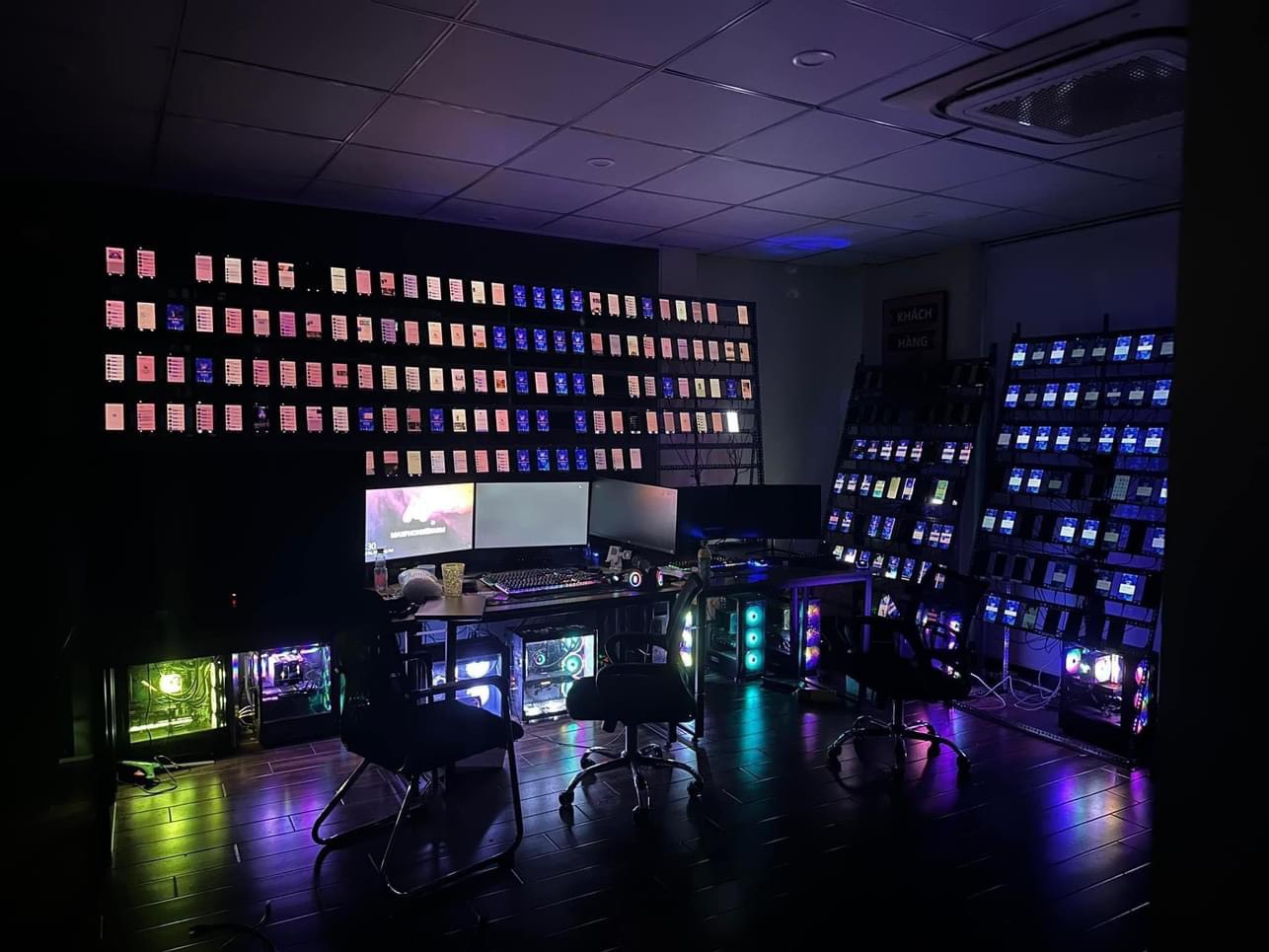
Silent Surveillance: The Threat of Tire Pressure Monitors

tire pressure monitoring system surveillance, intelligence, counterintelligence, counterespionage, C. Constantin Poindexter, CIA, NSA, DIA

Sneaking a covert GPS tracker into (or under) a motor vehicle is no longer spy-chic. Surveillants and counterintelligence players see a discreet new option.

In the contemporary era of information operations, the adversary’s toolkit has expanded beyond surveillance and HUMINT to include the exploitation of ubiquitous, low-power wireless signals. As a counterintelligence operator or surveillance professional, maintaining operational security requires a granular understanding of how standard automotive telemetry can be weaponized for tracking and profiling. While traditionally viewed as a mere safety mechanism, the Tire Pressure Monitoring System (TPMS) presents a sophisticated, low-cost vector for persistent surveillance. Here are my thoughts, technical architecture of TPMS vulnerabilities, the operational utility of its data streams, and the strategic implications for intelligence collection and target analysis, the new “AUTO-INT”.

Technical Architecture and Signal Vulnerabilities

The TPMS functions as a distributed sensing network within a vehicle, designed to ensure safety and optimize fuel efficiency by alerting drivers to under-inflated tires. In the United States, Federal Motor Vehicle Safety Standard (FMVSS) No. 138 mandates the use of direct TPMS in all light vehicles manufactured after September 2007 (Kobayashi, 2019). Technically, these systems consist of pressure sensors located within each wheel assembly, which periodically transmit radio frequency (RF) data to a central receiver module.

The critical vulnerability for intelligence collection lies in the transmission protocol and data integrity. Unlike modern communication standards, TPMS signals are transmitted in clear text without any form of encryption or authentication (Kobayashi, 2019). This lack of cryptographic protection renders the signals easily interceptable by any third party in proximity. Furthermore, these sensors broadcast a unique, static identifier for each tire that remains constant throughout the sensor’s operational life (Kobayashi, 2019). This static ID allows for the long-term tracking of a specific vehicle, as the identifier persists regardless of the sensor’s physical location or the vehicle’s operational status.

The range and reliability of interception capabilities further amplify the threat. Research indicates that TPMS signals can be intercepted at distances exceeding 40 meters from the vehicle (Kobayashi, 2019). Recent advancements in receiver technology have demonstrated that data capture is possible from distances of up to 50 meters and even when the receiver is located inside a building without direct line-of-sight to the vehicle (Vijayan, 2026). This capability allows for the passive collection of telemetry from vehicles parked in secured compounds, residential garages, or office parking lots, providing a persistent tracking vector that does not require the subject to be actively driving.

Operational Utility for Tracking and Behavioral Profiling

The operational value of TPMS extends beyond simple geolocation. It provides a rich dataset for behavioral profiling and movement analysis. A seminal study conducted by researchers at the University of Cantabria and distributed by Dark Reading demonstrated the feasibility of tracking a fleet of vehicles using a network of low-cost spectrum receivers (Vijayan, 2026). The research team captured over six million TPMS transmissions from approximately 20,000 vehicles over 10 weeks, successfully matching signals from different tires to the same vehicle to reconstruct movement patterns.

This data allows for the reconstruction of detailed movement profiles. By analyzing the timing, frequency, and intensity of transmissions, an operator can infer the subject’s driving patterns, such as commute routes, rest periods, and travel velocity. The researchers noted that TPMS transmissions can be systematically used to infer sensitive information, including the presence, type, or weight of the driver (Vijayan, 2026). Variations in tire pressure readings can correlate with changes in vehicle load, providing clues about whether a passenger is present or if cargo has been loaded or unloaded. In a counterintelligence context, this could reveal the presence of a handler, a meeting partner, or the movement of sensitive materials.

Implications for Operational Security and Countermeasures

For the counterintelligence operator, the existence of silent tracking via TPMS has profound implications for Operational Security (OPSEC). Traditional methods of tracking, such as visual tailing or license plate recognition, can be compromised if the target is aware of the surveillance. TPMS offers a covert alternative that operates passively and without direct interaction with the subject. An adversary could deploy a stationary receiver node in a strategic location, such as a choke point on a target’s daily commute, and aggregate data over time to build a comprehensive movement dossier without alerting the subject to the surveillance.

Furthermore, the ubiquity of TPMS makes this a scalable surveillance technique. The researchers utilized receivers priced at approximately $100 each, making it a cost-effective tool for intelligence collection compared to more sophisticated tracking hardware (Vijayan, 2026). The technology is not dependent on the subject’s connectivity to the internet or the activation of location services on a smartphone; it relies solely on the vehicle’s own safety systems.

My Take

The Tire Pressure Monitoring System represents a significant component of the modern surveillance landscape. Its inherent vulnerabilities (i.e., unencrypted, authenticated, and ubiquitous) make it an effective tool for tracking and profiling targets. For the counterintelligence operator or a surveillant, recognizing the capabilities of TPMS is crucial for assessing the security of one’s own movements and anticipating the methods adversaries may employ to monitor them. As vehicle systems become increasingly interconnected and digitized, the utility of standard automotive features for intelligence gathering will only continue to grow. We are going to need a much broader understanding of the “Internet of Vehicles” within the context of national and agency operational security.

C. Constantin Poindexter, MA in Intelligence, Graduate Certificate in Counterintelligence, JD, CISA/NCISS OSINT certification, DoD/DoS BFFOC Certification

Bibliography

  • Kobayashi, M. (2019). Understanding TPMS: A Guide to Tire Pressure Monitoring Systems. SAE International.
  • Vijayan, J. (2026, March 3). Vehicle Tire Pressure Sensors Enable Silent Tracking. Dark Reading. https://www.darkreading.com/ics-ot-security/tire-pressure-sensors-silent-tracking
  • Khan, H. (2020). Wireless Sensor Networks: Principles and Applications. CRC Press.
  • Alippi, C., & Camplani, R. (2019). Wireless Sensor Networks: Performance Analysis and Applications. Academic Press.
  • Stankovic, J. A. (2016). “Wireless Sensor Networks for Industrial Applications.” Proceedings of the IEEE, 104(5), 1013-1022.
  • IEEE. (2021). IEEE Standard for Low-Rate Wireless Networks for Industrial, Scientific, and Medical (ISM) Applications. IEEE 802.15.4-2021.
  • Brown, T. (2022). Cybersecurity for the Internet of Things: Protecting Critical Infrastructure. Wiley.

The Takaichi “Prompt Exploit” as Novel Tradecraft: A Counterintelligence Operator’s View of AI Enabled Influence Operations

disinformation, information operations, espionage, counterespionage, intelligence, counterintelligence, psyops, C. Constantin Poindexter, CIA, DIA, NSA

AI Enabled Smear Operations and Counterintelligence Detection: Lessons from the Attempted ChatGPT Exploit Targeting Sanae Takaichi

The attempted exploitation of ChatGPT to support a covert smear campaign against Japanese Prime Minister Sanae Takaichi is not a novelty story about AI gone wrong. It is a clear operational vignette of how modern state-linked actors or FIS attempt to compress the intelligence cycle and accelerate influence effects with generative tools. OpenAI’s February 25, 2026 threat reporting describes a now banned ChatGPT account linked to an individual associated with Chinese law enforcement who attempted in mid October 2025 to leverage the model to plan and execute a covert influence operation aimed at discrediting Takaichi, followed by later requests to edit “cyber special operations” status reports after the model refused the original operational ask (OpenAI, 2026). Public reporting based on that disclosure adds that the actor’s plan included coordinated negative commentary, impersonation techniques, and wedge framing designed to mobilize resentment around U.S. tariffs and immigration narratives (Jiji Press, 2026; Reuters, 2026; Axios, 2026). From a counterintelligence perspective, this is a case study in how an adversary treats a commercial large language model as a low-friction staff officer: ideation, drafting, message discipline, and iterative refinement, all without needing to recruit a human asset or expose internal tradecraft through overt tasking channels.

What makes the episode analytically valuable is the specificity of the improper tasking. Reporting indicates that the actor asked ChatGPT to draft a multi part plan to discredit Takaichi, to generate and help post and spread negative comments attacking her stances including immigration, to polish narratives and recurring status reports describing ongoing cyber special operations, and to inflame wedge grievances by amplifying anger over U.S. tariffs on Japan (Jiji Press, 2026; Axios, 2026; OpenAI, 2026). These requests form a recognizable information operations workflow: design the campaign, manufacture content, distribute content, or at least create distribution-ready material, and assess and iterate based on reporting. In classical counterintelligence terms, the operator sought to maximize plausible deniability, minimize cost, and raise tempo, substituting generative capacity for time-consuming human copywriting while reducing the number of personnel who must be read into the narrative engineering function (CISA, 2022; ODNI FMIC, 2024).

The most important counterintelligence observation is that the exploit is not primarily technical. It is procedural and behavioral. Operators do not need to jailbreak a model to gain advantage. They can ask for adjacent assistance such as language polishing, translation, formatting, summarization of internal memos, and audience-tailored variations. OpenAI’s reporting explicitly notes the actor returned after an initial refusal and asked for edits to operational status reports, which is precisely how professional services are laundered in many influence pipelines: when direct enablement is blocked, pivot to editorial support and documentation hygiene (OpenAI, 2026). This aligns with U.S. government’s framing of foreign malign influence as subversive, undeclared, coercive, or criminal activity that uses multiple pathways and intermediaries, often blending overt platforms with covert personas and synthetic content (ODNI FMIC, 2024; DOJ, n.d.). The model is not the operation. It becomes a friction reducer within the operation.

Seen through the lens of the intelligence cycle, the actor’s approach collapses collection, analysis, production, and dissemination into a tight loop. The multi-part plan request is campaign design, meaning objective, target audience, narrative lines, channels, and timing. The post-and-spread request is dissemination planning and, at minimum, the production of ready-to-publish material. The status report editing request is assessment: codifying observed effects, identifying what resonated, and deciding next moves (OpenAI, 2026; Axios, 2026). When an influence apparatus scales, this loop becomes industrialized: many accounts, multi-platform content seeding, and iterative narrative tuning. Reporting around the OpenAI threat case underscores that these efforts can be large-scale, resource-intensive, and sustained, consistent with a bureaucracy rather than hobbyist trolling (Reuters, 2026; CyberScoop, 2026). As Ben Nimmo has emphasized, the intent is to apply pressure everywhere, all at once, which is characteristic of FIS or state-linked coercive information operations rather than organic political discourse (Axios, 2026).

The operational targeting of Takaichi is also instructive for counterintelligence because it sits at the intersection of influence operations and transnational repression. While this case focuses on a smear campaign against a Japanese political figure, OpenAI’s broader description of the actor’s uploaded materials suggests a wider ecosystem aimed at suppressing dissent and silencing critics, including tactics such as forged documentation and intimidation narratives (OpenAI, 2026; CyberScoop, 2026). The FBI defines transnational repression to include online disinformation campaigns, harassment, intimidation, and abuse of legal processes, exactly the kinds of tools that can be amplified or routinized by AI-assisted content generation (FBI, n.d.). In counterintelligence risk terms, that convergence matters. When an adversary blends influence effects, shaping attitudes, with coercive effects, punishing or deterring speech, the target set expands from voters to voices, and the operational threshold for harm drops.

The wedge grievance element, stoking resentment over U.S. tariffs, illustrates classic influence tradecraft. Hijack a real grievance, inflate it, and attach it to the target as a blame object. This is not persuasion via factual argument. It is agitation via emotional mobilization. CISA guidance on foreign influence operations describes how adversaries exploit mis, dis, and malinformation narratives to bias policy and undermine social cohesion, often by inflaming divisive issues (CISA, 2022). The tariff frame is particularly useful because it can be pitched simultaneously as anti-U.S., blaming Washington, and anti-target, blaming Takaichi’s posture for provoking friction, with variants tailored to different audiences. In counterintelligence vocabulary, this is narrative multi-casting: the same kernel is repackaged into mutually reinforcing storylines for disparate communities.

The cross platform distribution pattern referenced in public reporting, activity on X and other sites, with relatively low engagement but persistent output, resembles the known Chinese influence pattern commonly labeled Spamouflage or Dragonbridge: high volume, mixed quality, low authentic engagement, but sustained presence and periodic tactical evolution (Reuters, 2026; NATO StratCom COE, 2023; Graphika, 2025). Low engagement does not mean low intent or low risk. It can indicate poor tradecraft, early-stage testing, or a campaign optimized for secondary effects such as search pollution, narrative seeding for later pickup, or creating “evidence” of public sentiment that can be cited elsewhere. Counterintelligence professionals should treat low engagement content as potential scaffolding. The objective may be to build a lattice of posts, screenshots, and proof artifacts that can later be laundered into higher credibility channels.

From the defender’s side, the case clarifies what model refusal can and cannot do. OpenAI reports that ChatGPT refused overtly malicious prompts, yet the actor appears to have proceeded using other tools and later used ChatGPT for editing (OpenAI, 2026). This reveals a strategic limitation. Safety filters reduce direct enablement. They do not eliminate the underlying operational capability of a state apparatus that can shift to domestic models, human copywriters, or alternative platforms. Effective mitigation requires a layered approach: model-side safeguards, platform-side enforcement, and inter-organizational intelligence sharing that treats AI as one component in a broader influence toolkit (OpenAI, 2026; CISA, 2024). The IC’s Foreign Malign Influence Center has emphasized that foreign malign influence is multi-actor and multi-pathway by design, which implies countermeasures must also be multi-pathway. Detection in one node rarely collapses the whole network (ODNI FMIC, 2024).

For counterintelligence operators, three takeaways are operationally salient. First, generative AI is best understood as an accelerant of existing influence doctrine rather than a replacement. It speeds up drafting, localization, and A B testing of narratives while enabling bureaucratic reporting to be produced faster and with greater stylistic consistency (OpenAI, 2026; CISA, 2022). Second, the human factor remains the decisive vulnerability. The actor’s interaction with ChatGPT created an evidentiary trail that allowed defenders to correlate intent, post-and-spread negative commentary with observed online activity. This is a reminder that operational security failures frequently occur in routine administrative behavior (OpenAI, 2026; CyberScoop, 2026). Third, influence and repression are increasingly convergent lines of effort. When disinformation is used not only to persuade but to intimidate, deplatform, or socially punish, the problem set expands to include civil liberties impacts, diaspora targeting, and sovereignty challenges (FBI, n.d.; DOJ, 2023).

In countermeasures terms, the Takaichi case underscores the value of structured analytic techniques in attribution and mitigation. Analysts should separate narrative content, behavioral signals such as posting cadence and account creation patterns, infrastructure signals such as hosting and coordinated link sharing, and procedural artifacts such as templated emails, repeated phrasing, and report formats. OpenAI’s account-level disruption, combined with open-source correlation to online hashtags and posts referenced in operational materials, is a template for fusion analysis that pairs platform telemetry with OSINT validation (OpenAI, 2026). NATO-aligned research similarly emphasizes that state-sponsored or FIS information operations exploit differences across platforms and jurisdictions. Defenders should expect rapid lateral movement when friction increases on any single platform (NATO StratCom COE, 2023).

The attempted exploit is best characterized as an “AI-enabled influence operation reconnaissance and production cycle, with the model treated as a drafting cell embedded in a broader state-linked apparatus”. The key question is not whether a model can be tasked with dissemination directly. It is whether it can generate dissemination-ready content, standardize narrative discipline, and reduce the time and training required to run a coordinated smear campaign. In this case, it could at least partially, until refusal controls forced the actor to route around and repurpose the model for editing and reporting (OpenAI, 2026; Jiji Press, 2026). For counterintelligence professionals, that reality demands a posture shift.. We must defend not only against disinformation artifacts but against the process improvements that AI grants adversaries. Faster cycles, lower labor costs, and more plausible linguistic camouflage are the new norm. The Takaichi operation appears to have underperformed in engagement, yet it is a forward indicator of how state-backed influence operational tradecraft is adapting to generative systems. They are persistent, multi-platform and procedurally agile (Reuters, 2026; Graphika, 2025).

C. Constantin Poindexter, MA in Intelligence, Graduate Certificate in Counterintelligence, JD, CISA/NCISS OSINT certification, DoD/DoS BFFOC Certification

Bibliography

  • Axios. (2026, February 25). Reporting on OpenAI’s disclosure of a China linked attempt to use ChatGPT to plan and refine a smear campaign targeting Japan’s Prime Minister Sanae Takaichi.
  • Cybersecurity and Infrastructure Security Agency. (2022). Preparing for and mitigating foreign influence operations (CISA Insight).
  • Cybersecurity and Infrastructure Security Agency. (2024, April 17). Guidance for securing election infrastructure against tactics of foreign malign influence (Joint guidance release with FBI and ODNI).
  • CyberScoop. (2026, February 25). Reporting on OpenAI’s threat report and Chinese law enforcement linked “cyber special operations” materials uploaded for editing.
  • Federal Bureau of Investigation. (n.d.). Transnational repression (Overview page describing tactics including online disinformation campaigns, harassment, and intimidation).
  • Graphika. (2025). Chinese state influence (Selected insights from Graphika ATLAS reporting, November 2024 to January 2025).
  • Jiji Press. (2026, February 27). Reporting summarized by Nippon.com on OpenAI’s claim that a Chinese law enforcement official asked ChatGPT to draft a plan to discredit Takaichi and to post and spread negative comments.
  • NATO Strategic Communications Centre of Excellence. (2023). Dragons roar and bears howl: Convergence in Sino Russian information operations in NATO countries.
  • OpenAI. (2026, February 25). Disrupting malicious uses of AI (Threat report describing disruption of accounts, including an influence operation attempt targeting Sanae Takaichi).
  • Reuters. (2026, February 25). Reporting on OpenAI’s threat report detailing misuse of ChatGPT for scams and influence operations, including a smear campaign targeting Japan’s prime minister.
  • Reuters. (2026, February 26). Reporting on a Foundation for Defense of Democracies analysis of China linked influence operations targeting Japan’s elections and Prime Minister Sanae Takaichi, consistent with Spamouflage and Dragonbridge patterns.
  • U.S. Department of Justice. (2023, April 17; updated 2025, February 6). Press release describing charges tied to transnational repression schemes and the use of fake online personas to harass dissidents and disseminate state narratives.
  • U.S. Office of the Director of National Intelligence, Foreign Malign Influence Center. (2024). FMI Primer (Public release defining foreign malign influence and its pathways).

When “AI-Enabled Counterintelligence” Means Everything and Therefore Proves Little

artificial intelligence, intelligence, counterintelligence, espionage, counterespionage, deception, C. Constantin Poindexter, I.C., CIA, NSA

Artificial intelligence is unquestionably altering intelligence practice, especially in collection triage, identity resolution, and D&D (“denial and deception”) at scale. The same broadness that makes “AI and counterintelligence” a timely topic also makes it easy for scholarship to drift from disciplined inference into plausible generalizations. Henry Prunckun’s article AI and the Reconfiguration of the Counterintelligence Battlefield, argues that authoritarian regimes integrate AI into counterintelligence more aggressively than democracies, generating widening disparities in surveillance capacity, strength of deception operations, and detection. That thesis is appealing, but the problem is that, as presented, it relies on conceptual stretching, not ‘real good’ operationalization, and OSINT constrained attribution, which together make the conclusion stronger than the evidence can reliably support.

Conceptual slippage: counterintelligence becomes a synonym for regime security

The article offers an expansive definition of counterintelligence, including hostile intelligence operations by FIS, non-state actors, and internal threats. That definitional move risks conflating classic counterintelligence functions, such as detecting foreign intelligence services, running double agents, and protecting sensitive programs, with broad domestic security tasks, such as repression of dissent, censorship, and generalized surveillance. In the case studies, that risk becomes reality. China’s Skynet and Sharp Eyes are treated as counterintelligence infrastructure, yet the true purpose of these systems is “public security” and political control ( meaning “suppression”) through population-scale monitoring and data fusion. This is not counterespionage in the narrow sense (Peterson, 2021; He, 2021). Using such architectures as direct evidence of “counterintelligence capability” is contestable unless the article could demonstrate a specific, evidenced pathway from mass surveillance to demonstrable counterespionage outcomes. A good example might be the identification of foreign case officers, agent spotting, surveillance detection route patterning, or disruption of recruitment pipelines.

This matters because conceptual stretching lets the analysis “win” by broadening the dependent variable. If counterintelligence includes nearly all internal security functions, then authoritarian states will almost always appear “ahead,” because their legal structures permit scale and coercion across the entire society. A tighter approach would separate “state security surveillance capacity” from “counterespionage effectiveness,” then test where and how the two overlap.

Unmeasured dependent variables: adoption is not capability, and capability is not effectiveness

The piece repeatedly asserts an “uneven transformation” and “increasing disparities” between authoritarian and democratic systems. The paper does not clearly operationalize what “capability” means. Is it speed of deployment, volume of data, integration across agencies, analytic accuracy, disruption rates, or successful attribution of hostile services? Those are DISTINCT variables. Without an operational definition and observable indicators, the comparative claim becomes rhetorical rather than analytic.

Fortunately, the literature on predictive analytics is instructive. Government and academic reviews emphasize that predictive systems can help triage and allocate resources, but performance and fairness depend heavily on data quality, feedback loops, and governance (National Institute of Justice, 2014; U.S. Department of Justice, 2024). In real deployments, predictive policing tools have faced serious critiques for low accuracy and bias amplification, precisely because historical data encode institutional and sampling distortions (Shapiro, 2017; Alikhademi et al., 2021). The counterintelligence analogy is direct. If authoritarian systems ingest broader data and act on weaker thresholds, they may increase the velocity of suspicion generation without reliably increasing detection precision. So, “more AI” generates more alerts, more potentially nefarious interventions, and more error, rather than more validated counterintelligence successes. Unless the article can distinguish surveillance scale from validated performance outcomes, it confuses activity with effectiveness.

Causal inference is asserted, not identified

The article frequently implies causation, that AI enables preemptive counterintelligence, improves early warning, and accelerates counterespionage timelines. Yet in this piece, the causal chain is not established with process tracing evidence. Much of the language signals inference by plausibility, using formulations such as “reportedly,” “believed,” “suggests,” and “consistent with.” That can be appropriate in exploratory work, but lacks strong causal conclusions about “advantage” or “disparity” without a rigorous evidentiary standard.

A methodologically disciplined approach would specify competing hypotheses and explanations. They would demonstrate why AI is THE differentiator, rather than alternative drivers like expanded authorities, intensified human surveillance, party control over institutions, enhanced cyber hygiene, or increased resourcing. Robert Yin’s framework for case study research emphasizes analytic generalization and the need to consider rival explanations, not merely accumulate confirmatory examples (Yin, 2014). Not following the framework begins to look like one of those cognitive biases that we are taught to avoid. The article’s current structure tends to accumulate plausible examples of authoritarian digital control and then attribute the change in counterintelligence conditions to AI itself, when the same outcomes could often be produced through conventional surveillance and coercion supplemented by basic automation.

Case selection: the design invites selection on the dependent variable

The four cases, China, Russia, Iran, and North Korea, are justified partly by strategic AI application, active counterintelligence engagement, and OSINT accessibility. That selection logic is understandable, but it has consequences. It tilts the sample toward regimes that are shining examples of coercive security states. It excludes “negative” or less confirming cases that might constrain the inference. Social science methodologists have repeatedly warned us that selecting only cases where the outcome is expected will often bias comparative claims, especially when the study then reasons as if the cases represent a broader population (King, Keohane, & Verba, 1994; Seawright & Gerring, 2008). If Prunkun’s aim is build theory, he may want to say so explicitly and limit generalization claims. If the aim is an authoritarian versus democratic comparison, it needs either systematic comparative indicators or at least one or more democratic cases chosen by objective criteria.

This flaw is not just academic. The paper makes claims about democratic constraints, Five Eyes governance, and interagency “silos,” yet provides no parallel case evidence at the same granularity as the authoritarian ones. There is an asymmetric evidentiary burden. Authoritarian capability is described through many examples. Democratic capability is summarized through general governance constraints, . . . a classic setup for overstating comparative divergence.

OSINT dependence: acknowledged limitations, but high confidence attributions persist

The paper responsibly acknowledges OSINT limitations, including bias, misinformation, attribution gaps, and inference under uncertainty. Then the narrative proceeds to attribute specific AI-enabled activities to specific organs such as the MSS, FSB, GRU, MOIS, and the RGB, even while admitting overlapping roles and covert postures. This is a substantive vulnerability. The hardest analytic problem in intelligence scholarship is not describing a tool set, but attributing operational use to a particular unit with defensible confidence.

The OSINT literature is explicit that open sources can be powerful but are shaped by discoverability, platform biases, selective visibility, and analytic framing, all of which can distort both collection and interpretation (McDermott, 2021; Yadav et al., 2023). Triangulation helps, but triangulation among sources that ultimately derive from similar technical telemetry pipelines or shared reporting ecosystems can create an illusion of confirmation. The article would be stronger if it adopted a consistent evidentiary lexicon like “confirmed,” “assessed,” “plausible,” “speculative,” and then used that teminology to discipline claims about which agency did what, and with what AI component.

“Cognitive security” is promising, but under-specified as a threat model

The piece explains “cognitive security” as safeguarding the analytic process from distortion, synthetic overload, and eroded trust. That is a valid conceptual move, and it aligns with growing institutional concern about deepfakes and generative deception (particularly impersonation), synthetic identities, and social engineering at scale (RAND, 2022; CDSE, 2025; ENISA, 2025). The weakness is that the paper’s cognitive security discussion remains programmatic rather than operational. It describes effects, such as evidence stream distortion and analyst overload, but it does not specify the attack surfaces, such as data poisoning, provenance forgery, adversarial inputs to classifiers, synthetic HUMINT reporting, or deepfake-enabled pretexting. Without a more explicit threat model, cognitive security risks functioning as an exciting label rather than an analytic framework capable of generating testable hypotheses and practical mitigations.

Overstatement risk in cross-national characterizations

Some country characterizations are brittle. The claim that Russia does not use AI for extensive domestic surveillance, contrasted with China, is vulnerable because Russia’s internal security ecosystem has long invested in monitoring and control, even if its architecture differs from China’s camera-centric methods. When a paper makes categorical claims that can be challenged by counterexamples, it hands critics a free punch and distracts from the stronger parts of the argument. Good comparative work often relies on “relative to” claims rather than absolutes, unless the evidence is overwhelming.

My take? The main contribution is conceptual, but its conclusions outrun its design

The excerpt reads strongest as a conceptual intervention arguing that AI changes the conditions of counterintelligence, especially by enabling synthetic deception and stressing analytic trust. Where it becomes substantively flawed is where it implies comparative empirical conclusions about authoritarian “advantage” and widening capability disparities without operational definitions, without balanced case selection, and with OSINT-constrained attribution that cannot consistently sustain unit-level claims. The remedy is not to abandon the thesis. It is to narrow the dependent variable, define measurable indicators, discipline inference and attribution, and align claims to what the evidence and design can actually support. Absent those corrections, the argument risks becoming unfalsifiable. Authoritarian states appear superior because counterintelligence is defined broadly enough to include most internal security, adoption is treated as capability, and capability is treated as effectiveness. Prunckun’s point here may well be true. I HIIIIGHLY respect this author and his expertise, however addresssing these flaws would go a long way to proving his points.

~ C. Constantin Poindexter, MA in Intelligence, Graduate Certificate in Counterintelligence, JD, CISA/NCISS OSINT certification, DoD/DoS BFFOC Certification

Bibliography

  • Alikhademi, K., et al. (2021). A review of predictive policing from the perspective of fairness. National Science Foundation Public Access Repository.
  • Center for Development of Security Excellence (CDSE). (2025). Artificial Intelligence and Counterintelligence Concerns (Student guide). U.S. Department of Defense.
  • European Union Agency for Cybersecurity (ENISA). (2025). ENISA Threat Landscape 2025.
  • He, A. (2021). How China harnesses data fusion to make sense of surveillance data. Brookings Institution.
  • King, G., Keohane, R. O., & Verba, S. (1994). Designing Social Inquiry: Scientific Inference in Qualitative Research. Princeton University Press.
  • McDermott, Y. (2021). Open source information’s blind spot. Journal of International Criminal Justice, 19(1), 85–105.
  • National Institute of Justice. (2014). Overview of predictive policing. Office of Justice Programs, U.S. Department of Justice.
  • Peterson, D. (2021). China’s “Sharp Eyes” program aims to surveil 100% of public space. Center for Security and Emerging Technology (CSET), Georgetown University.
  • RAND Corporation. (2022). Artificial Intelligence, Deepfakes, and Disinformation.
  • Seawright, J., & Gerring, J. (2008). Case selection techniques in case study research. Political Research Quarterly, 61(2), 294–308.
  • Shapiro, A. (2017). Policing predictive policing. Washington University Law Review, 94(5), 1149–1189.
  • U.S. Department of Justice, Office of Justice Programs. (2024). Artificial Intelligence and Criminal Justice: Final Report.
  • Yadav, A., et al. (2023). Open source intelligence: A comprehensive review of the state of the art. Journal of Big Data, 10, Article 38.
  • Yin, R. K. (2014). Case Study Research: Design and Methods (5th ed.). SAGE Publications.

The Collapse of CIA Clandestine Communications: The Hidden “X” Factor

COVCOM, espionage, counterespionage, intelligence, counterintelligence, spy, C. Constantin Poindexter, CIA, NSA

For those that haven’t picked up a copy of Tim Weiner’s new book, The Mission (a great read), the author briefly writes about an unidentified “X Factor”, that together with loose tradecraft and the betrayal of Jerry Chun Shing Lee, explain the breach of an Agency clandestine communications platform (COVCOM) used to receive production from intelligence assets. The X Factor is no longer (at least in part) as secret. Between 2010 and 2012 the Central Intelligence Agency (CIA) suffered one of the most devastating counterintelligence failures of the post–Cold War era. Dozens of agency assets operating in China and elsewhere were rolled up, captured and/or killed, and multiple communication networks nullified. The official explanations that later emerged pointed to three contributing factors: that the COVCOM platform itself was insufficiently secure; that former officer Jerry Chun Shing Lee betrayed key operational information to Chinese intelligence; and an unknown “X-factor” that the CIA believed must have played a role. Analysts have since argued that this third factor was neither a single human source nor a cryptographic failure, but rather a systemic and architectural vulnerability The discoverability of CIA communication websites through pattern matching, fingerprinting, and open-source enumeration.

The known facts support this interpretation. Following the collapse, U.S. intelligence undertook a joint CIA-FBI inquiry to determine why an ostensibly hardened system had failed so catastrophically. The COVCOM platform, an encrypted web-based communication system that relied on innocuous-looking websites as cutouts between field assets and handlers, had been in use globally for the better part of a decade. Its purpose was to provide secure asynchronous communication without the need for physical meetings. By 2010, Chinese counterintelligence had begun identifying CIA agents and rolling up networks with alarming precision (U.S. Department of Justice, 2019). Lee’s espionage, which began around this time, appears to have enabled part of this exposure. He was found in possession of notebooks containing detailed operational notes, true names, and meeting locations for agents. His recruitment by the Chinese Ministry of State Security (MSS) represented an enormous breach (Security Boulevard, 2018). Lee’s betrayal alone did not explain the speed, geographic reach, or technical precision of the counterintelligence response. The COVCOM system in China was considered more robust than versions deployed elsewhere, and yet it collapsed far more completely, suggesting that an additional vector was in play (Central Intelligence Agency, 2021).

That missing vector has increasingly come into focus due to subsequent forensic research. In 2022, Citizen Lab at the University of Toronto released a public technical statement analyzing a defunct CIA covert communications network, reconstructing its infrastructure from archival data (Citizen Lab, 2022). The researchers identified at least 885 separate websites that had served as cutouts in the system, many masquerading as ordinary blogs or news portals. These domains were hosted across multiple countries and written in more than twenty-seven languages, demonstrating the global scale of the network (Overt Defense, 2022). Most importantly, the study revealed that the sites shared recurring technical fingerprints: identical JavaScript, Flash, and Common Gateway Interface (CGI) code snippets, sequential IP address allocations, and domain registrations under apparently fictitious U.S. shell companies. These patterns were visible not only to intelligence professionals but to any moderately skilled analyst using open-source tools such as Google search operators or historical DNS datasets.

The Citizen Lab researchers demonstrated that once a single website in the network became known, either through insider compromise or accidental exposure, the rest could be discovered through automated pattern matching. For example, the shared scripts and templates created a unique digital “signature” that could be queried across the web. Similarly, because many sites were hosted within contiguous IP address blocks, an adversary could perform network scans to find adjacent servers. In one striking observation, Citizen Lab noted that a “motivated amateur sleuth” could likely have mapped the entire network from a single known site using only public data sources (Citizen Lab, 2022, p. 3). In other words, once one covert node was compromised, the architecture itself facilitated the discovery of the rest—a catastrophic violation of compartmentation, the cardinal rule of clandestine operations. This structural discoverability provides a compelling explanation for the “X-factor.” If Chinese or Iranian counterintelligence services were able to recognize one of these front sites—perhaps through Lee’s betrayal or through network monitoring—they could easily expand their search to enumerate the rest. Once identified, those sites could be monitored for traffic patterns, IP logs, or metadata, revealing the physical locations or operational rhythms of field agents. The result would be precisely the kind of rapid and geographically broad collapse observed between 2010 and 2012.

Several attributes make this explanation plausible to high confidence standard. It accounts for the disproportionate collapse relative to the technical strength of the platform. A simple encryption or authentication flaw would have yielded isolated compromises, not systemic exposure. It explains the extraordinary speed of network destruction. Insider betrayal might expose a limited number of assets, but large-scale enumeration allows adversaries to map entire networks in days or weeks. It also aligns with reports that CIA stations were initially unaware of how deeply the system had been penetrated; because the exposure derived from web-level pattern analysis rather than cryptographic decryption, it left few immediate forensic traces (Risen, 2018).

The architecture’s discoverability illustrates a subtle but fundamental shift in dynamics in the digital era, especially for counterintelligence. During the Cold War, clandestine communications were localized and analog, i.e., dead drops, shortwave bursts, or one-time pads, etc., that required significant human action/interaction to intercept. By contrast, digital covert systems even when encrypted, exist within the globally indexed infrastructure of the Internet. Any reuse of code, hosting, or metadata creates a fingerprint that can be detected through open-source intelligence (OSINT) techniques. The “X-factor” was pretty clearly less an unknown human leak than a manifestation of the new technological environment. The Agency had built a secret system inside a public network and underestimated the degree to which its digital seams could be analyzed by adversarial FIS.

The forensic model resolves apparent contradictions in early assessments. CIA officials believed the COVCOM used in China was “more robust” than those in other theaters, implying stronger encryption, better authentication and other tradecraft goodies (CIA Inspector General, 2017). Nonetheless, it collapsed thoroughly. The pattern-matching explanation shows why robustness in cryptography could coexist with fragility in topology. The system’s security depended not only on code strength but also on architectural compartmentation. The Agency’s reuse of templates, hosting blocks, and design elements was weak tradecraft. It undermined that compartmentation and created a single attack surface.

It is important to recognize that the web-discoverability hypothesis complements rather than replaces the other two causes. Lee’s betrayal and intrinsic platform weaknesses likely provided the initial penetration points that allowed adversaries to begin to dig. The enumeration process then magnified those breaches exponentially. The CIA has not publicly confirmed this reconstruction, understandably. Nonetheless, independent open-source evidence strongly supports the inference that the network’s design flaws were decisive.

The lessons extend beyond one agency or episode. The COVCOM failure demonstrates how operational hygiene in digital clandestine systems is as critical as cryptographic soundness and insider threats. A covert communication platform can fail not because its cipher is broken, but because its metadata is out in the wild. This insight has profound implications for modern intelligence and of course, counterintelligence work. As state and non-state actors deploy increasingly networked clandestine capabilities, the old principle of “need to know” must be re-engineered into “need to connect.” Going forward, it would be foolish not to design com platforms in a way that every covert node is architecturally unique. Different code bases, hosting, and design fingerprints are imperative to avoid global correlation. The COVCOM collapse shows the lethal cost of violating that principle.

So, the CIA’s network failures in China were not caused solely by human treachery or inadequate encryption but by an invisible architectural flaw. The covert web infrastructure could be mapped once any part was exposed. This vulnerability, amplified by Lee’s betrayal and existing COVCOM weaknesses, created a perfect storm that allowed adversaries to dismantle entire espionage networks with unprecedented speed. The “X-factor” was not mystical but mathematical, an emergent property of pattern recognition within an interconnected Internet. The episode stands as a cautionary tale that in the digital age, secrecy depends not merely on keeping information encrypted but on ensuring that the very existence of the system remains undiscoverable. Sophisticated FIS such as China’s have the capacity to “de-clandestine” it, and far too quickly.

~ C. Constantin Poindexter, MA in Intelligence, Graduate Certificate in Counterintelligence, JD, CISA/NCISS OSINT certification, DoD/DoS BFFOC Certification

References

Central Intelligence Agency. (2021). Inspector General’s review of clandestine communication failures (declassified summary). Langley, VA.

Citizen Lab. (2022). Statement on the fatal flaws found in a defunct CIA covert communications system. University of Toronto. https://citizenlab.ca/2022/09/statement-on-the-fatal-flaws-found-in-a-defunct-cia-covert-communications-system/

Overt Defense. (2022, October 5). Poorly designed CIA websites likely got spies killed. https://www.overtdefense.com/2022/10/05/poorly-designed-cia-websites-likely-got-spies-killed/

Risen, J. (2018, May 21). How China used a hacked CIA communications system to hunt down U.S. spies. The New York Times.

Security Boulevard. (2018, June 6). The espionage of former CIA case officer Jerry Chun Shing Lee for China.

U.S. Department of Justice. (2019). Former CIA officer sentenced for conspiring to commit espionage. Press release, April 19, 2019.