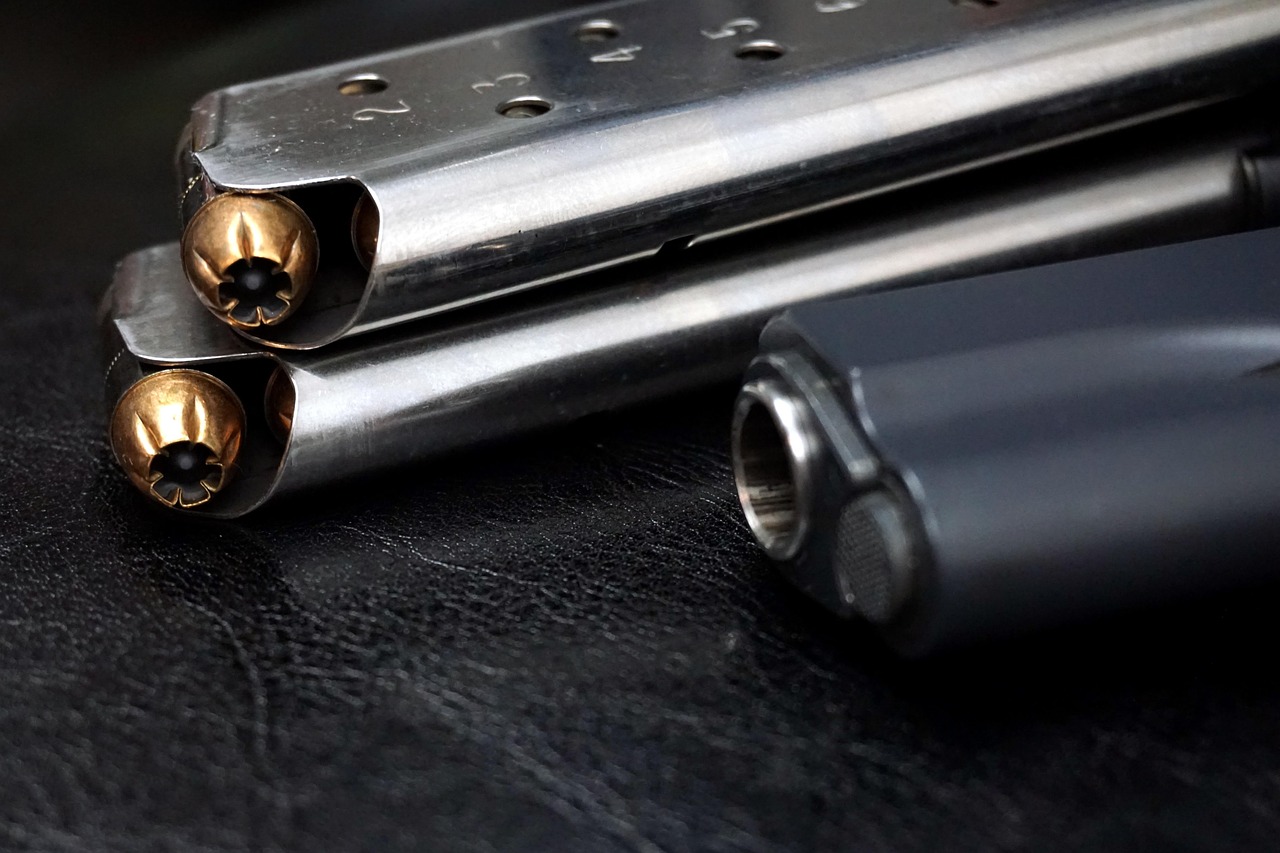
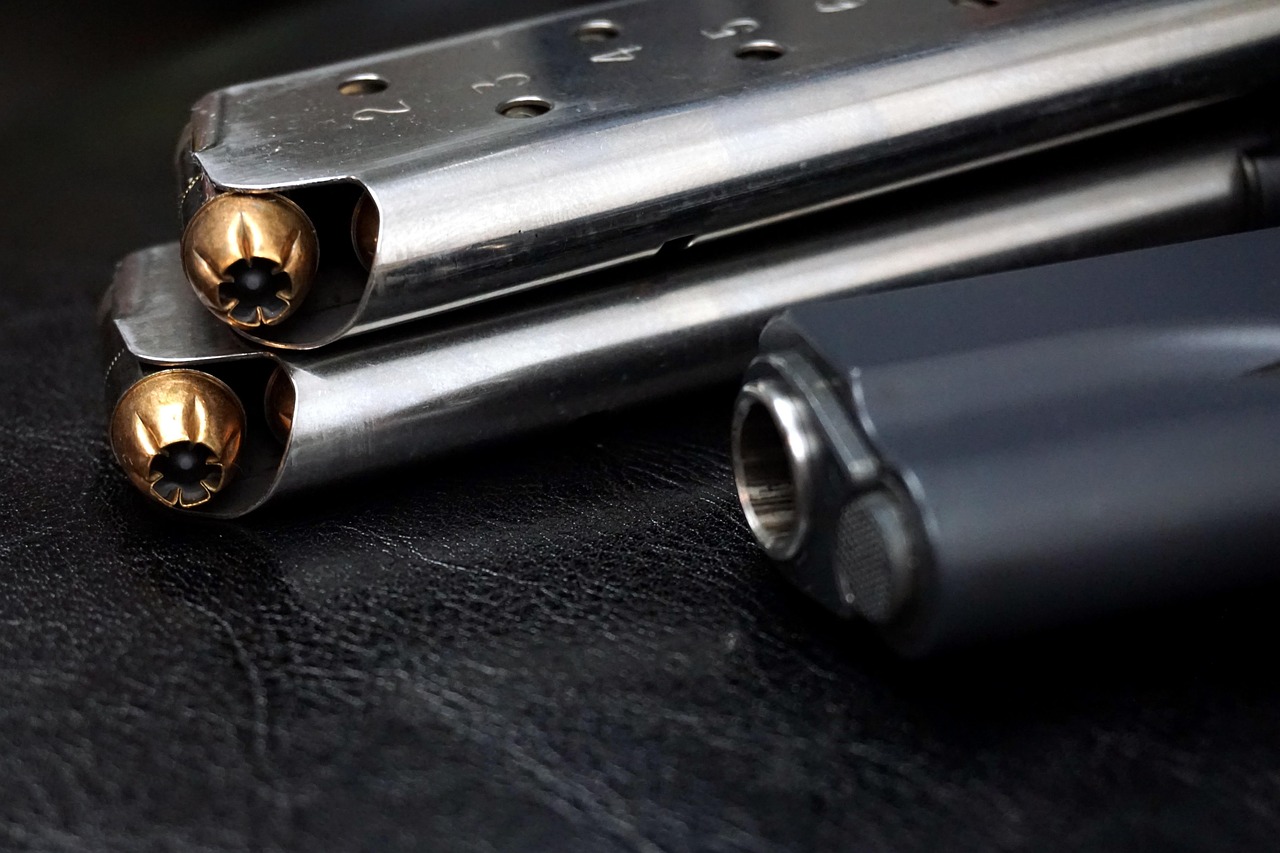
El discurso contemporáneo sobre defensa armada personal se centra invariablemente en el calibre y el tipo de munición. Existen argumentos sólidos a favor del empleo del proyectil más potente y de mayor calibre que el operador pueda manejar con eficacia, sin embargo, la decisión de portar munición adicional suele ser ignorada o descartada como innecesaria. He instruido a cientos de agentes del orden (LEOs, por sus siglas en inglés) y a civiles con licencia para portar armas ocultas. Cuando he sugerido portar una cantidad generosa de munición extra, las respuestas han sido con demasiada frecuencia del tipo: “No voy a la guerra.” Esta reacción refleja cierta ignorancia sobre cómo se desarrolla un enfrentamiento armado y qué se requiere para terminarlo. Un análisis crítico de los datos estadísticos y de los antecedentes históricos demuestra que incluso individuos bien entrenados y armados pueden verse superados o quedarse sin munición en escenarios de amenaza dinámica.
El aumento en la popularidad de las licencias de porte entre civiles, el porte fuera de servicio por parte de agentes castrenses, y el privilegio de porte oculto para agentes retirados ha generado un interés creciente en identificar las mejores prácticas de defensa armada. Además del calibre y la carga, la formación suele centrarse en la elección del arma corta, la retención en funda y los criterios legales sobre el uso de la fuerza. La capacidad de munición y la conveniencia de portar cargadores adicionales o speedloaders siguen siendo temas relativamente poco tratados en los cursos de formación. Dada la limitada capacidad de munición de muchas armas comúnmente utilizadas (en particular los revólveres y las semiautomáticas ultracompactas), portar munición adicional no debería considerarse un acto de paranoia, sino una medida pragmática basada en datos y experiencia.
Los encuentros de defensa propia son por naturaleza impredecibles, generan altos niveles de estrés y a menudo involucran a más de un agresor. Según un estudio de 2021 del Programa de Estadísticas Uniformes de Criminalidad del FBI (UCR), el 29.2% de las agresiones agravadas con arma de fuego involucraron a múltiples atacantes. En 2020, la Oficina de Estadísticas de Justicia informó que aproximadamente el 42% de los crímenes violentos cometidos con armas implicaron a más de un delincuente. Por tanto, incluso el tirador más competente puede vaciar un cargador entero sin neutralizar con éxito la amenaza. La degradación fisiológica asociada con confrontaciones que amenazan la vida, (i.e., visión en túnel, ritmo cardíaco elevado, pérdida de habilidades motoras finas) junto con fallos de alimentación, disparos fallidos y la necesidad de fuego de advertencia o supresivo, incrementan notablemente la probabilidad de agotar un solo cargador.
Además, el estudio del FBI de 2014, titulado Violent Encounters: A Study of Felonious Assaults on Our Nation’s Law Enforcement Officers, halló que los agentes implicados en tiroteos a corta distancia disparaban entre TRES y QUINCE BALAS por enfrentamiento, dependiendo de la duración y complejidad del incidente. Los civiles pueden esperar enfrentamientos similares o incluso más caóticos, sin el respaldo de otros agentes entrenados. A continuación, algunos ejemplos ilustrativos:
El Tiroteo de Miami del FBI (1986)
Quizás el tiroteo más estudiado en la historia moderna de las fuerzas del orden, el enfrentamiento de 1986 en Miami entre ocho agentes del FBI y dos sospechosos fuertemente armados (Michael Platt y William Matix) resalta la insuficiencia de munición limitada bajo estrés extremo. Platt y Matix habían perpetrado una serie de robos violentos y eran considerados sumamente peligrosos. El 11 de abril de 1986, el enfrentamiento comenzó durante un intento de detención por parte del FBI. El tiroteo duró aproximadamente cuatro minutos, intercambiándose más de 145 disparos. Ambos sospechosos fueron abatidos, pero no antes de que Platt asesinara a dos agentes (Benjamin Grogan y Jerry Dove) e hiriera a otros cinco. Durante el tiroteo, varios agentes se quedaron sin munición. Algunos portaban revólveres Smith & Wesson con capacidad de seis balas y sin speedloaders. Grogan y Dove portaban pistolas semiautomáticas, pero fueron alcanzados antes de poder recargar eficazmente. La escasa munición y la falta de protección balística adecuada fueron citadas como factores clave que comprometieron la efectividad táctica de los agentes, resultando en un desenlace trágico. Este incidente motivó directamente la transición del FBI a pistolas semiautomáticas de mayor capacidad y reforzó la importancia de portar cargadores de repuesto. Los civiles con permiso de porte oculto deberían tomar nota de esta lección.
Los Tiroteos de la Joyería de Lance Thomas (Los Ángeles, principios de los 1990)
Lance Thomas, comerciante de relojes en Los Ángeles, se hizo conocido por sobrevivir múltiples intentos de robo armado a lo largo de seis años gracias a una estrategia de defensa cuidadosamente preparada. En varios enfrentamientos documentados, Thomas utilizó varias pistolas semiautomáticas ubicadas estratégicamente detrás del mostrador de su joyería. Su primer tiroteo importante (1991) involucró a cuatro asaltantes. Thomas mató a dos; los demás huyeron. Disparó veinte veces y resultó herido. Si hubiera dependido de una sola arma y sin munición adicional, probablemente habría sido superado. Su práctica de posicionar múltiples armas cargadas le permitió continuar combatiendo tras vaciar la primera. En entrevistas posteriores, Thomas atribuyó su supervivencia a la redundancia tanto en armamento como en munición.
El Tiroteo del Centro Comercial de Portland (Clackamas Town Center, Oregón, 2012)
El 11 de diciembre de 2012, Jacob Roberts abrió fuego con un rifle AR-15 robado dentro del centro comercial Clackamas Town Center, matando a dos personas y hiriendo a una tercera antes de suicidarse. Un civil con permiso de porte oculto, Nick Meli, desenfundó su Glock 22 pero no disparó debido a la presencia de transeúntes detrás del agresor. Aun así, las acciones de Meli hicieron que Roberts se retirara, interrumpiendo claramente su plan. Meli portaba una pistola de tamaño completo con un cargador de capacidad estándar y un repuesto. Aunque no llegó a disparar, este caso subraya que las amenazas pueden evolucionar de manera impredecible. De haberse visto obligado a disparar, un solo cargador tal vez no habría sido suficiente contra un agresor armado con más de treinta proyectiles de rifle. La presencia de munición extra fue una necesidad táctica, incluso si finalmente no se utilizó.
Aunque muchos incidentes de defensa propia implican solo dos o tres disparos (según estudios de la NRA y GunFacts.org), hay excepciones notables. Un estudio del Departamento de Justicia de 2006 halló que en aproximadamente el 25% de los usos defensivos de armas de fuego se dispararon más de cinco proyectiles. Dado que muchas armas populares para porte oculto (por ejemplo, revólveres Smith & Wesson J-frame, microsemiautomáticas, etc.) tienen una capacidad de entre cinco y ocho balas, la probabilidad de agotar un cargador antes de neutralizar la amenaza es significativa. La precisión en el disparo se degrada drásticamente bajo estrés. Un estudio publicado por el Force Science Institute reveló que las tasas de impacto promedio en tiroteos reales suelen ser inferiores al 20%. En escenarios con múltiples atacantes o con cobertura limitada, la probabilidad de requerir más de un solo cargador aumenta de forma considerable. Irónicamente, la precisión de los civiles en el uso de la fuerza es comparable a la de los agentes, pero aun así, una tasa de acierto del 20% es lamentable. Como consecuencia de la degradación fisiológica bajo estrés (problemas de agarre, sudoración, temblores, pérdida de control sobre el gatillo), también aumenta la probabilidad de fallos mecánicos. Desde un punto de vista táctico, los cargadores de repuesto funcionan como mitigación frente a interrupciones por fallos de alimentación o errores relacionados con el cargador. Un cambio rápido de cargador suele ser la solución más eficaz ante una falla que no puede resolverse con el método de “golpear-recargar-disparar, en inglés”.
Mi Conclusión
No pretendo desacreditar la eficacia de los proyectiles “más grandes y rápidos”. Las balas neutralizan a un agresor mediante el choque hidrostático y el daño tisular traumático. Un proyectil más pesado y veloz cumple eficazmente ambas funciones. A pesar de las preocupaciones sobre sobrepenetración, la mayoría de los operadores experimentados coincidirán en que, si pudieran ocultar un obús bajo la camisa, sería la solución ideal. No obstante, portar munición adicional no es una señal de exceso de celo, sino una expresión de preparación práctica basada en enfrentamientos reales y datos empíricos. Aunque muchos usos defensivos del arma de fuego se resuelven con pocos disparos (o incluso ninguno), los incidentes atípicos (como el tiroteo de Miami del FBI, el caso de Lance Thomas o el tiroteo del centro comercial de Portland), demuestran las consecuencias catastróficas de enfrentar una amenaza letal con munición insuficiente. La decisión de portar un cargador o un speedloader adicional puede ser lo único que se interponga entre la supervivencia y la tragedia. Para quienes asumen la responsabilidad moral y legal de la defensa armada, portar munición extra está plenamente justificado y es altamente recomendable.
Referencias
FBI Uniform Crime Reporting Program. (2021). Crime in the United States: Aggravated Assault Statistics.
Bureau of Justice Statistics. (2020). Criminal Victimization, 2019.
Federal Bureau of Investigation. (2006). A Study of Felonious Assaults on Our Nation’s Law Enforcement Officers: 2001–2005.
Marshall, E. (1986). FBI Miami Shootout Analysis, FBI Forensics Division, internal report.
Kleck, G. (2005). Armed: New Perspectives on Gun Control. Prometheus Books.
Force Science Institute. (2014). Officer-Involved Shooting Accuracy Studies.
Thomas, L. (1995). Interview with Guns & Ammo, reprinted in The Best Defense: Real Stories of Survival.”